


Beyond the Horizon - Photography, Art, and the Experience of the Unreachable
Updated: May 14

The horizon is tension. A distant line that guides the gaze and sustains the act of moving forward. We walk toward it for hours, years, sometimes an entire life. It remains ahead. The landscape changes, the light shifts, the body transforms, yet that line stays just a little farther away. Something in this persistent distance keeps the human being in motion.

There is always something ahead. One walks, perhaps, for this reason: because the gaze continues reaching beyond, even when it no longer knows exactly what it seeks. At times, that line leans toward hope. At others, it nearly disappears under the weight of circumstance. Even so, we keep walking.

The recurrence of this line in photography and painting does not arise from a simple encounter with landscape. Something is always projected into that distance: a memory, an expectation, a possible continuation. It organizes the space before the eyes and shapes the way time is felt. Even in stillness, it continues to produce displacement.

There is a strange sense of immobility in things that are very far away. When observing an ocean liner from the shore, it seems to remain in the same place for a long time. A brief distraction reveals that it has moved. It is elsewhere. The movement was always present, yet distance rendered it almost imperceptible. Something always escapes along that distant line. The gaze tries to frame it, fix it, grasp its extent, yet it never fully yields. The horizon remains ahead, sustaining the sense that more world exists beyond what can be seen.

There is also a kind of perceptual fiction in that distant line. No real trace divides sky from sea or separates land from air. The gaze produces this boundary as an attempt to organize the depth of the world. Even so, it sustains movement, orients trajectories, and determines much of the visual experience in photography and painting.

Throughout the history of art, a simple shift in its position has been enough to transform the emotional density of an image. When low, it expands space and projects the gaze outward. When elevated, it brings the weight of matter closer and reduces the sense of openness. In many contemporary works, this line nearly disappears under fog, excess light, or darkness, as if the image itself refused stability.

Few things reveal as much about the human condition as this need to keep looking beyond. Ernst Bloch wrote that hope emerges precisely from what has not yet taken complete form in the world. Certain images sustain the feeling that something remains suspended, something that has not yet fully occurred.

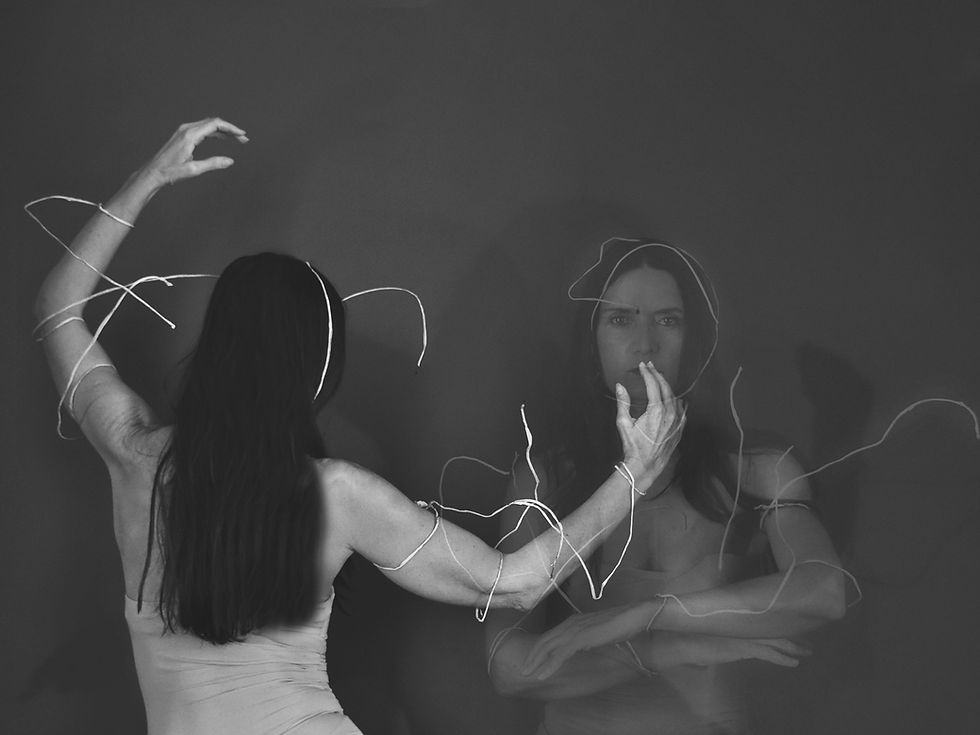
Photography maintains a particularly strong relation to this tension. Every camera attempts to delimit the visible, establish edges, contain space within a frame. Something continues to escape. Some photographs intensify precisely when they refuse complete clarity, when they allow fog, smoke, overexposure, or ruin to occupy part of what is seen. Tarkovsky understood this unstable matter of the image with precision: what does not fully offer itself to the gaze prolongs the presence of time within the scene. These images do not lead the eye to a final point. They keep open the distance between what is seen and what continues to be sought.

The gaze keeps moving forward even after the image ends. Something remains beyond the frame, beyond what has been effectively shown. This is the force that carries time through, by preserving that open distance before us. The horizon belongs to this unstable matter that has always accompanied human experience: the coexistence with what remains ahead, even when proximity seems assured. To encounter images that sustain this tension without dissolving it is to follow the rhythm of the unreachable. It is within this incomplete space that art breathes.

Written By Angela Rosana
Learn more about me here
Discover my authorial work here
This project exists thanks to the images generously shared by artists who join my words to create new meanings.
Viva o Clique is always open to new contributions. You can submit your artwork here
Photographer credits are included on the images, with links to their respective Instagram profiles. Get to know more of their work!
If you enjoyed this article, leave your feedback at the end of the page!
Read more articles here
Visit Instagram
Posts will be published on Instagram starting in May 2026.


Comments